Monsoon and the Karakoram Highway: What Every Traveler Should Know Before Visiting Northern Pakistan
Every summer, travelers planning a trip to Hunza, Skardu, Gilgit, Astore, or the upper valleys of Gilgit-Baltistan ask the same question:
"Is it safe to travel on the Karakoram Highway during the monsoon?"
The answer is not a simple yes or no.
July and August are among the most beautiful months in Northern Pakistan, but they are also the most unpredictable. Understanding how the monsoon affects the Karakoram Highway (KKH) can help travelers plan smarter and avoid unnecessary stress.
The Reality of Monsoon Travel on the KKH
One common misconception is that the entire Karakoram Highway experiences heavy monsoon rains. In reality, much of Gilgit-Baltistan lies outside the core monsoon belt and receives significantly less rainfall than Pakistan's plains.
However, mountain terrain creates its own challenges.
Even moderate rainfall can trigger landslides, rockfalls, and mudflows in narrow valleys. A road that is completely clear in the morning can face temporary closures later in the day if debris blocks the highway.
Most disruptions are localized and are cleared by road authorities, but delays ranging from a few hours to an entire day are always possible during the monsoon season.
Why Flexible Itineraries Matter
The biggest mistake travelers make is planning a northern tour with no buffer days.
Mountain travel is different from city travel. Weather, road conditions, and natural events can affect schedules at short notice.
At Panther Travels, we always recommend keeping at least one contingency day in your itinerary during July and August, especially for longer trips to Hunza, Skardu, Astore, Minimarg, or other remote destinations.
A flexible schedule often makes the difference between a stressful journey and an enjoyable adventure.
Are There Alternative Routes?
Many travelers assume there is a backup highway if the KKH is blocked.
Unfortunately, that is not always the case.
While local roads may occasionally provide short detours around minor disruptions, there is no complete alternative route that can replace the Karakoram Highway. When major landslides occur, travelers may need to wait until the affected section is cleared.
This is a normal part of mountain travel and should be considered when planning any journey during the monsoon season.
The Hidden Beauty of the Monsoon
While the monsoon creates uncertainty, it also reveals a side of Northern Pakistan that many travelers never experience.
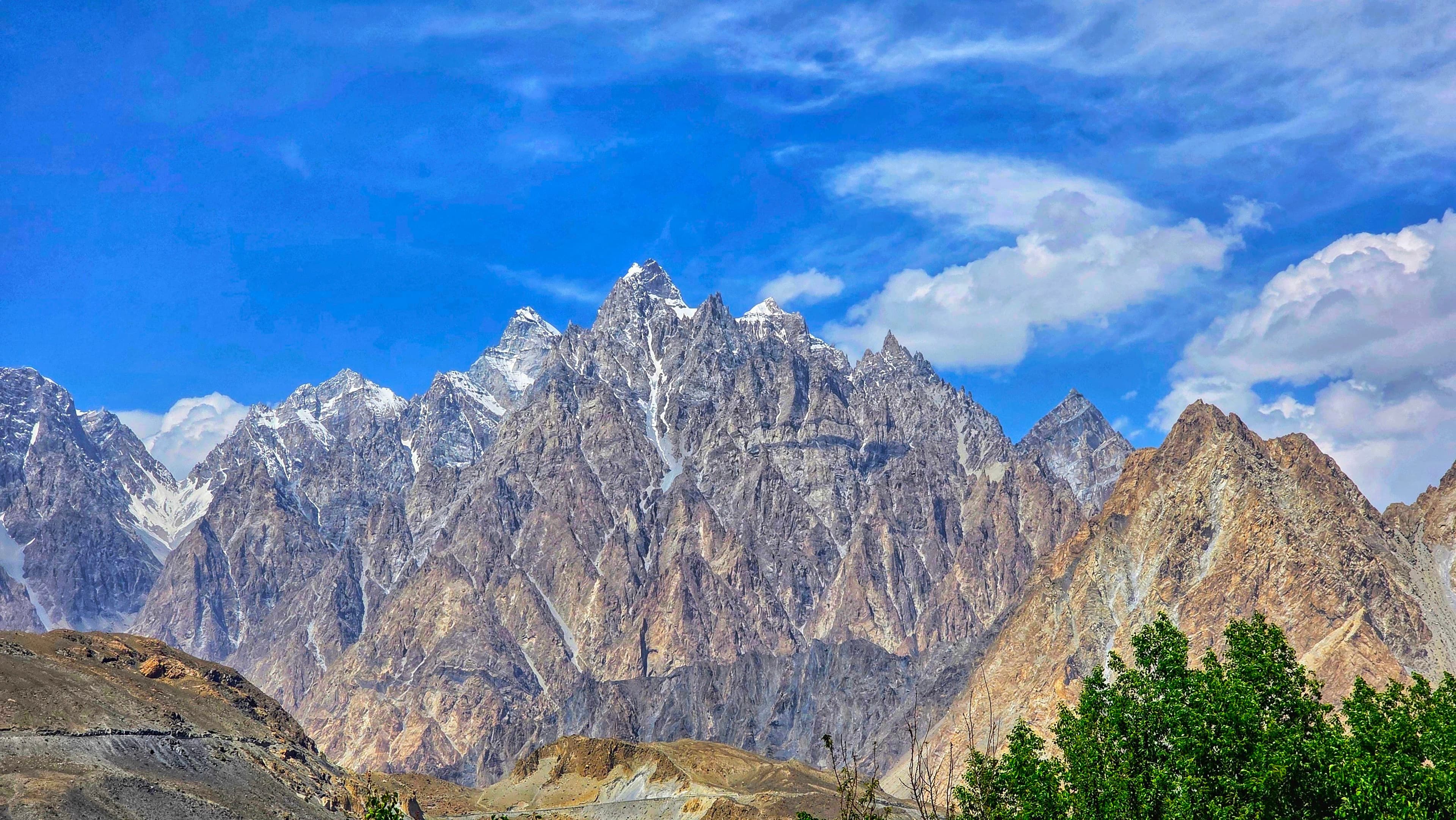
The valleys become greener, waterfalls flow with greater force, and the landscapes feel more alive than at any other time of the year.
Fruit orchards across Hunza and Gilgit reach their peak season, with apricots, cherries, and other local produce becoming widely available. The mountains often emerge dramatically after rainfall, offering stunning views that photographers and nature lovers appreciate.
For travelers willing to embrace a little unpredictability, the rewards can be extraordinary.
Tips for Traveling During July and August
Before setting out on the Karakoram Highway, consider the following:
Keep one or two buffer days in your travel plan.
Stay updated on road and weather conditions.
Avoid unnecessary night travel on mountain roads.
Carry water, snacks, and essential medicines during long journeys.
Follow local authority advisories and road management updates.
Travel with experienced guides or tour operators familiar with the region.
Final Thoughts
The Karakoram Highway remains one of the world's most spectacular road journeys, even during the monsoon season. While landslides and temporary road closures are genuine risks, most travelers complete their journeys safely by staying informed and remaining flexible.
The mountains operate on their own timetable. Those who respect that reality often discover that July and August offer some of the most rewarding travel experiences Northern Pakistan has to offer.
At Panther Travels, we closely monitor road conditions and weather developments throughout the season, helping our travelers explore the north with confidence while embracing the adventure that makes these mountains so special.