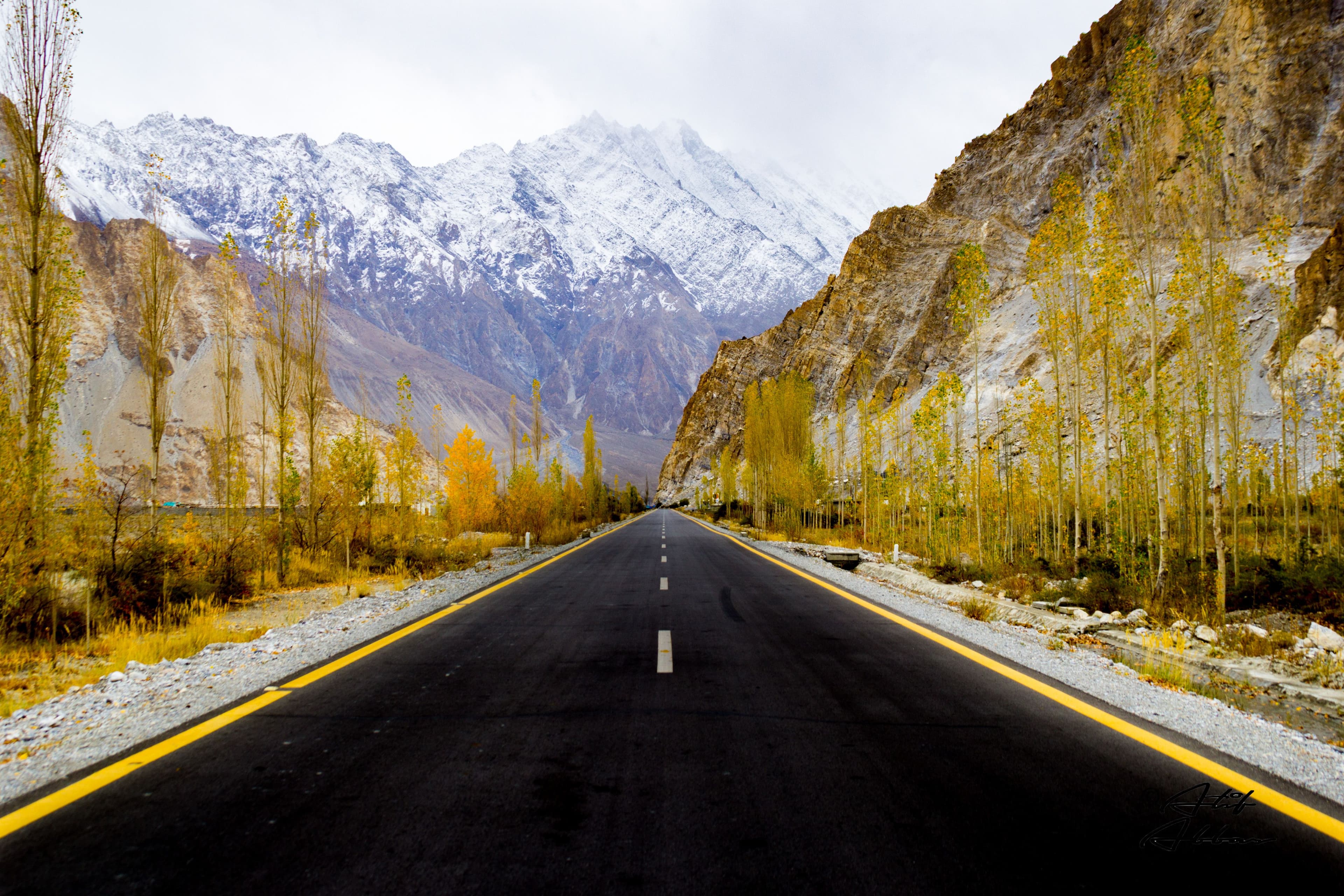
Beyond the summer crowds lies a quieter, more authentic Hunza. Discover why the shoulder season offers better views, fewer tourists, greater value, and a deeper connection to one of Pakistan's most breathtaking mountain valleys.
When people talk about Hunza, they usually focus on two extremes: the vibrant spring blossom season and the busy summer months when thousands of tourists flock to the valley. What often gets overlooked is the shoulder season—the weeks between peak tourism periods when Hunza reveals a completely different personality.
After spending years traveling through Northern Pakistan and leading tours across Gilgit-Baltistan, I've come to believe that the shoulder season may actually be the best time to experience Hunza.
If you're planning a week in Hunza and wondering when to go, here's what nobody tells you about visiting during the shoulder season.
What Is the Shoulder Season in Hunza?
In travel terminology, a shoulder season refers to the period between peak and off-season travel.
In Hunza, this typically includes:
Late March to mid-April (before the blossom crowds arrive)
Late April to early June (after blossom season and before summer rush)
September to early October (after peak summer tourism)
Late October to early November (before winter sets in)
These periods often offer the perfect balance of pleasant weather, manageable tourist numbers, and a more authentic local experience.
You Actually Get to See Hunza
During peak summer, popular viewpoints, cafés, and attractions can become crowded. Places like Baltit Fort, Altit Village, Attabad Lake, and Eagle's Nest often see a constant flow of visitors.
During the shoulder season, the valley feels different.
You can walk through ancient village streets without rushing through crowds. Conversations with locals feel more natural, and the overall pace of life becomes easier to appreciate.
Hunza starts feeling less like a tourist destination and more like a living mountain community.
The Mountains Look Bigger
This might sound strange, but many experienced travelers notice it immediately.
When there are fewer vehicles, fewer crowds, and less activity around the viewpoints, the surrounding peaks command more attention. Mountains like Rakaposhi, Ultar Sar, Ladyfinger Peak, and the Passu Cones dominate the landscape in a way that's difficult to describe.
The silence becomes part of the experience.
Instead of competing with crowds for photographs, you spend more time simply observing the scenery.
Accommodation Offers Better Value
One of the biggest advantages of visiting Hunza during the shoulder season is pricing.
Many hotels, guesthouses, and boutique accommodations offer better rates compared to peak summer periods. More importantly, travelers have a wider selection of rooms and locations available.
This means you can often secure lake-view, valley-view, or mountain-view accommodations without booking months in advance.
For travelers seeking comfort without peak-season prices, the shoulder season provides excellent value.
The Weather Is More Comfortable Than You Expect
Many first-time visitors assume that outside peak summer, Hunza becomes too cold for comfortable travel.
In reality, shoulder-season weather can be ideal.
Spring brings crisp mornings, blooming orchards, and clear afternoons. Autumn offers cool temperatures, golden poplar trees, and some of the most beautiful landscapes found anywhere in Pakistan.
Unlike the intense summer sun, daytime temperatures are often comfortable for sightseeing, hiking, and photography.
Layered clothing is usually sufficient for most travelers.
Local Life Becomes More Visible
One of the greatest benefits of spending a week in Hunza during the shoulder season is witnessing daily life.
You'll see farmers preparing orchards, harvesting crops, maintaining irrigation channels, and carrying out seasonal work that often goes unnoticed during the busiest tourist months.
Markets become less crowded. Tea shops feel more local. Conversations last longer.
For travelers interested in culture rather than simply checking attractions off a list, this can be the most rewarding aspect of the trip.
The Photography Is Exceptional
Ask any landscape photographer about Northern Pakistan, and many will quietly admit a preference for the shoulder season.
Spring provides blossoms framed against snow-covered peaks.
Autumn transforms entire valleys into shades of gold, orange, and amber.
The softer light, reduced haze, and fewer crowds create conditions that are often better than those found during peak tourism months.
Whether you're carrying a professional camera or simply using your phone, you'll notice the difference.
A Suggested Week in Hunza
A seven-day itinerary during the shoulder season allows enough time to experience the valley without rushing.
Day 1
Arrive in Hunza and explore Karimabad.
Day 2
Visit Baltit Fort and Altit Village.
Day 3
Spend the day at Attabad Lake and Upper Hunza.
Day 4
Explore Passu, Hussaini Suspension Bridge, and nearby viewpoints.
Day 5
Visit local markets, cafés, and villages.
Day 6
Take a relaxed excursion toward Gulmit or surrounding valleys.
Day 7
Enjoy a final sunrise over the mountains before beginning the return journey.
The key is to leave room for spontaneous discoveries rather than filling every hour with planned activities.
The One Thing Nobody Tells You
The shoulder season changes the way you experience Hunza.
Instead of rushing from attraction to attraction, you begin to notice the smaller details—the sound of water flowing through irrigation channels, children walking home from school, farmers working in orchards, and sunlight moving across the mountains throughout the day.
These are the moments that tend to stay with travelers long after the trip ends.
Final Thoughts
The best time to visit Hunza depends on what you're looking for.
If your goal is festivals, bustling cafés, and peak tourist activity, summer may be ideal.
But if you want quieter roads, comfortable weather, better accommodation options, fewer crowds, and a deeper connection with the valley, a week in Hunza during the shoulder season may be one of the most rewarding travel experiences in Northern Pakistan.
Sometimes the most memorable version of a destination is the one that exists between the crowds.